Featured Articles
- 10 Surprising Ways Studying Abroad Enhances Your Emotional Intelligence and Resilience
- "7 Unconventional Skills You Gain During Study Abroad That Employers Will Love"
- "8 Unexpected Financial Tips for Making the Most of Your Study Abroad Experience Without Breaking the Bank"
- "Beyond Borders: How Virtual Reality is Transforming the Study Abroad Experience"
- Exploring the Rise of Virtual Study Abroad: Are Students Missing Out on Real-World Experiences?
Exploring the Rise of Virtual Study Abroad: Are Students Missing Out on Real-World Experiences?
Exploring the Rise of Virtual Study Abroad: Are Students Missing Out on Real-World Experiences?
The evolution of education has taken a fascinating turn with virtual study abroad programs gaining momentum, especially in the wake of the pandemic. However, the question persists: are students truly embracing the enriched experiences that come with international exposure, or are they merely missing out on the real-world adventures that await beyond their screens?
The Digital Shift in Education
Once upon a time, studying abroad was a rite of passage for many students. The prospect of traversing foreign lands, tasting exotic cuisines, and mingling with diverse cultures imparted invaluable lessons that a classroom could seldom provide. However, with the advent of technology, an innovative alternative emerged: virtual study abroad programs. These programs have risen dramatically, with a 35% increase in enrollments since 2020, according to the Institute of International Education.
The Pros and Cons: A Balancing Act
With the benefits of convenience associated with virtual learning, it’s essential to weigh them against the potential pitfalls. On one hand, virtual study abroad programs offer flexibility, reduced costs, and accessibility for students who otherwise could not afford travel expenses. Moreover, they provide unique opportunities to engage with experts and peers globally from the comfort of one’s home.
Conversely, critics argue that these programs lack the immersion needed for genuine cultural experiences. Key aspects of cultural exchange—from spontaneous conversations with locals to hands-on learning—cannot be fully replicated online. As Dr. Emily Rodriguez, an education specialist at the University of California, Riverside, states, “While technology has provided us with significant educational opportunities, it is crucial to acknowledge the irreplaceable value of lived experiences.”
A Case Study: The University of Chicago
Take, for example, the University of Chicago’s innovative virtual program offering students the chance to explore Berlin. Through interactive workshops, guided virtual tours, and cultural discussions, participants engage meaningfully with the city’s history. However, many former participants expressed a longing for the texture of real-life experiences—biking along Unter den Linden or sharing meals with locals, which simply cannot be replicated through a screen.
Virtual Reality: The Future of Education?
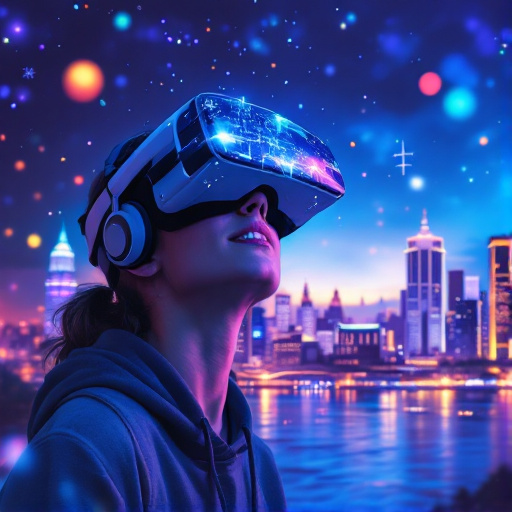
Speaking of innovation, the introduction of virtual reality (VR) into educational study abroad programs offers a promising glimpse into the future. Learners can navigate through ancient ruins, scale mountains, or stroll through bustling metropolitan areas, all while being guided by local experts. Most notably, VR platforms like “Engage” and “ClassVR” have gained traction, boasting statistics showing enhanced engagement and retention rates. A recent report by the Virtual Reality Developers Association noted that 70% of students felt a greater connection to global cultures while using VR technology in educational settings.
Can Virtual Experiences Replace the Real Thing?
Yet, many argue that no amount of high-definition graphics or interactive technology can substitute the essence of physical travel. Interacting with a culture firsthand—the sounds, smells, and the unpredictable nature of adventure—provides a level of learning that online platforms simply cannot replicate. As a 21-year-old participant in a virtual program aptly put it, “While I enjoyed the program, nothing compares to the joy of getting lost in a foreign city or sharing a laugh with someone who doesn’t speak your language.”
The Economic Benefits and Drawbacks
In terms of economic implications, virtual programs tend to be more budget-friendly, attracting students from a wider demographic. For example, a traditional semester abroad can cost upwards of $15,000, including tuition, accommodation, and travel expenses. In contrast, virtual study abroad programs range from $1,000 to $5,000, making them considerably more accessible.
However, this budget-friendly option raises questions about the value of education and the trade-offs associated with such cost-saving measures. Are we succeeding in making education more equitable, or are we, in fact, creating a diluted version of immersive learning?
Student Perspectives: A Divergent Landscape
Opinions on virtual study abroad experiences vary widely among students. Some view these programs as a fantastic gateway to future international experiences once travel becomes more feasible. “Virtual study abroad has opened my eyes to cultures I’d never considered exploring,” reflects Lydia, a 19-year-old psychology major. “I feel more prepared for when I do get to travel.”
Others, however, feel cheated by the experience. A study conducted by the British Council found that 62% of students expressed feeling they had missed out on essential elements of cultural immersion. As one frustrated student stated, “I’d rather risk getting lost in a new city than attend another Zoom meeting about cultural theory.”
A Call for Hybrid Models
Perhaps the ideal solution lies in marrying the best of both worlds—a hybrid model that combines virtual learning with actual travel. Educators and institutions must consider creating programs that integrate online learning with short-term in-person experiences. This approach could ensure accessibility while preserving the authenticity of cultural interchange.
The Future of Study Abroad
As education continues to adapt to the global landscape, the rise of virtual study abroad serves as a bifurcation point. As students embrace technology, they also advocate for the tangible experiences that enrich their understanding of the world. “Learning shouldn’t stop at borders, but we must also recognize the irreplaceable value of direct engagement,” asserts Professor Michelle Tran, a leading advocate for hybrid education.
A Humorous Take: The “Backyard Study Abroad” Phenomenon
And let’s be real—what’s next, a “backyard study abroad”? Picture this: students putting on VR headsets while grilling burgers, pretending they’re in a Parisian café. “Bonjour, je suis en vacances!” calls out one student to her neighbor through the fence. Comic moments aside, this highlights the inner conflict that many students face with the virtual landscape—am I really exploring, or just “couch traveling”?
Conclusion: A Journey of the Mind and Body
In conclusion, as we stand on the cusp of a new era in education, it's crucial that we navigate the complexities of virtual and physical study abroad with empathy and foresight. The world may be more accessible than ever through a screen, but the richness of stepping into a new place, embracing its culture, and connecting with people cannot be overlooked. The challenge ahead for educators, institutions, and students is to create experiences that honor both traditional and emerging methods—to facilitate not just an education, but a journey of the mind and body.
Whether you’re 16 or 70, the call to explore remains universal. As we ponder the infinite possibilities of learning in a digital age, let us not forget the thrill of the unpredictable and the dynamism of real-world engagement. Of course, if you find yourself daydreaming about your next international adventure whilst stuck in a Zoom call, well, you’re not alone. Bon voyage, in whatever form it may take!
Related Articles