Featured Articles
- 10 Hidden Study Programs that Uncover Untapped Career Paths in Emerging Global Markets
- 7 Unconventional Study Programs That Propel Lifelong Learning Beyond Traditional Education
- 8 Innovative Study Programs That Transform Learning Through Community-Driven Project Experiences
- Bizarre Study Programs: Exploring Unorthodox Avenues for Education in a Post-Pandemic World
- The Rise of Podcast-Based Learning: Can Audio Replace Traditional Study Programs?
Unlocking the Unseen: How Micro-credentials are Reshaping the Future of Study Programs Worldwide
Unlocking the Unseen: How Micro-credentials are Reshaping the Future of Study Programs Worldwide
Micro-credentials are transforming traditional education norms, offering tailored learning paths that align with current job market demands. As more institutions embrace this flexible approach, learners of all ages are discovering new opportunities to enhance their skills and career prospects.
Understanding Micro-credentials
Micro-credentials are bite-sized learning certifications that demonstrably convey competencies in specific skills or knowledge areas. They have gained traction in recent years due to their ability to provide focused education without the time and financial commitment of traditional degree programs.
Why Micro-credentials Matter
In a world where technological advancements dictate rapid changes in job requirements, micro-credentials offer a solution. According to research from the World Economic Forum, over 80% of employers look for skills relevant to the position rather than degrees. This shift highlights the importance of continuous skill development.
A Story of Transformation
Let’s consider Sarah, a 28-year-old marketing professional. After several years in her role, she realized her skills were becoming outdated in the rapidly evolving digital landscape. Instead of pursuing a full master's degree, Sarah turned to a micro-credential program in digital marketing. Within just three months, she gained invaluable skills and earned a certification that helped her land a promotion at her company. Her story mirrors those of many others who have turned to micro-credentials for their professional development.
The Flexibility Factor
One of the most appealing aspects of micro-credentials is flexibility. They can be completed at one’s own pace, making them accessible to students, working professionals, or even retirees looking to enrich their knowledge. Being able to study anywhere, at any time, is a game-changer in our fast-paced lives.
Global Adoption: Micro-credentials Around the World
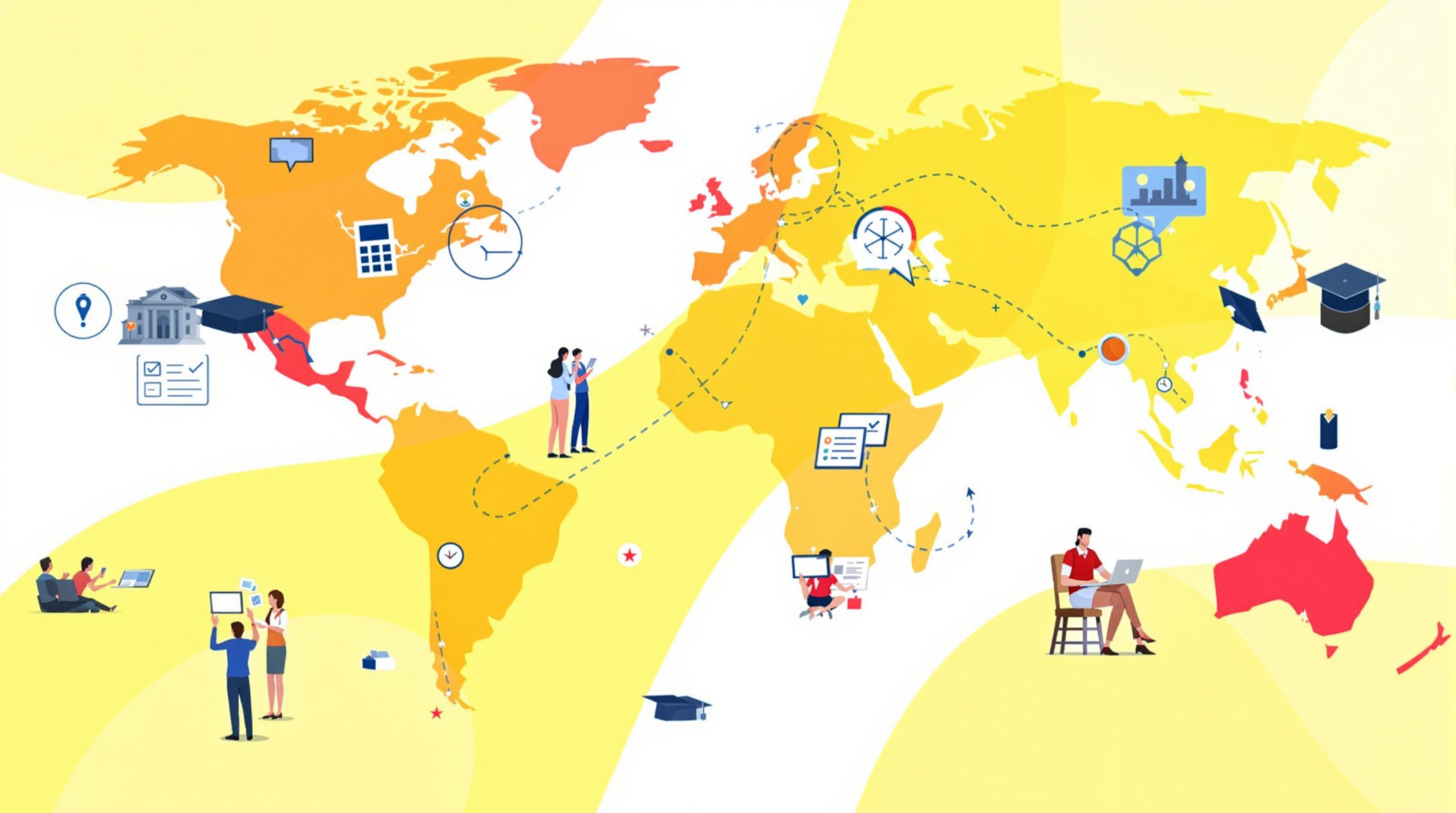
As micro-credentials gain traction, numerous countries are integrating them into their higher education systems. For instance, Australia’s education sector has embraced micro-credentialing, giving students the opportunity to gain qualifications incrementally. In a report by the Australian government, 59% of universities now offer micro-credentials as part of their courses, highlighting a significant shift towards this innovative learning system.
Statistics that Speak Volumes
The growth trajectory of micro-credentials is impressive. According to a report by the Online Learning Consortium, enrollment in micro-credential programs in the United States quadrupled between 2019 and 2022. A staggering 60% of employers state that they would prefer candidates with micro-credentials over those without, revealing a clear preference for skills over traditional educational achievements.
Case Study: Learning from IBM
IBM stands out as an example of a major corporation actively promoting micro-credentials. The tech giant launched the "SkillsBuild" initiative to offer free digital training programs to individuals interested in pursuing careers in data science and artificial intelligence. IBM has reported that 85% of participants felt more employable after completing one of their micro-credential programs, showcasing how corporate entities recognize and harness the power of micro-learning.
Striking a Balance: Micro-credentials and Traditional Degrees
It’s important to note that micro-credentials do not aim to replace traditional degrees. Instead, they complement them. For example, a software engineer may pursue a full degree while simultaneously obtaining micro-credentials in specific programming languages or software tools. This dual approach enhances their employability and demonstrates a commitment to lifelong learning.
A New Wave of Education
As we ride the wave of educational innovation, institutions are beginning to rethink traditional structures. Universities that once held the monopoly on career training are now engaged in partnerships with companies to offer co-branded micro-credential programs. This collaboration maximizes relevance and impact, making learning more aligned with workforce needs.
Micro-credentials: A Cost-Effective Solution
Cost is another critical aspect in the discussion of education. A traditional degree might set a student back over $30,000, while micro-credential programs generally cost a fraction of that amount, often ranging between $500 and $3,000. The financial accessibility of micro-credentials is a significant draw for many learners.
The Voices of Students
In an interview with a group of students pursuing micro-credentials, one expressed, “I love how I can take these courses without emptying my savings. I can work, learn, and still have a little fun on the side!” This sentiment illustrates a broader attitude of learners today: education is no longer confined to bricks and mortar classrooms; it's an ongoing journey.
Navigating the Future of Work
As we step into a predominantly digital future, the nature of work is evolving. Job roles are becoming increasingly specialized, and employers are emphasizing specific skills over generic knowledge. Micro-credentialing is essentially the educational response to this demand, enabling professionals to label their expertise in niche subjects effectively.
Embracing Change: Best Practices for Institutions
For institutions thinking about integrating micro-credentials into their offerings, consider the following practices:
- Partner with Industry Experts: Collaborating with employers can help align programs with real-world requirements.
- Focus on Competencies: Clearly define the skills and knowledge students will gain to enhance transparency and value.
- Utilize Technology: Online platforms can make micro-credential programs accessible and engaging.
The Humor in Learning
Learning can seem daunting, right? But here's a little chuckle: a student walks into a class and shout, "I want a degree!" The professor replies, "How about a micro-credential instead? It’s like the fun-size candy bar of education—just as sweet but way less filling!" While humor aside, this analogy underscores how micro-credentials can deliver concentrated, impactful education without overwhelming learners.
For the Lifelong Learner
At 45, John decided to change careers from teaching to cyber security. His secret? He enrolled in several micro-credential programs that provided targeted skillsets for his new field. With determination and a strategy focusing on smaller, stackable credentials, he landed his dream position within a year. His journey is a testament to how a curated learning experience can facilitate substantial career changes, regardless of age.
The Future is Bright
In conclusion, as micro-credentials rise in popularity, they signify a shift in the mindset surrounding education and career development. By embracing a more personalized and skill-focused approach, learners can prepare for the dynamic world of work waiting ahead. Whether you’re 16 or 70, now is the time to explore these new horizons and unlock your potential. Shake off the conventional, and let micro-credentials be the key to your future success!
Related Articles